EV Charger Installation in KL & Selangor
Electric vehicles are becoming more common in Malaysia, and having an EV charger at home makes charging much more convenient. Instead of relying only on public charging stations, you can charge your vehicle at your own house or landed property. However, installing an EV charger is not simply a matter of connecting a charger to the nearest power point. An EV charger can place a significant continuous load on an electrical system, so the installation needs to be properly planned.
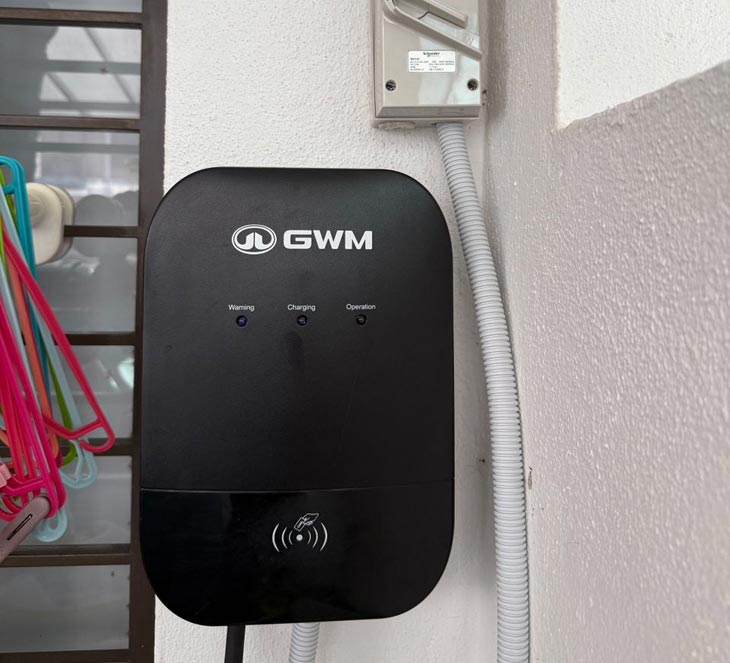
At Tronica Engineering, Alex provides EV charger installation services in KL and Selangor, including cable sizing, dedicated circuit installation, load assessment, protective devices, DB box checks and electrical wiring for suitable EV charging systems. Our focus is on making sure the electrical installation is suitable for the charging load and properly connected to the property’s electrical system.
What Is EV Charger Installation?
An EV charger installation involves connecting an electric vehicle charging unit to the property’s electrical supply through a suitable electrical circuit. Unlike a normal household appliance, an EV charger may operate for several hours while drawing a relatively high and continuous electrical load. The existing electrical wiring, circuit protection and distribution board therefore need to be checked before installation.
Depending on the charger and property, the installation may involve:
- Checking the existing DB box
- Assessing the available electrical supply
- Selecting the appropriate cable size
- Installing a dedicated circuit
- Installing suitable MCB and protective devices
- Installing an isolator where required
- Running cables from the DB to the charger
- Installing and connecting the EV charger
- Testing the installation after completion
The exact installation method depends on the charger specifications, electrical supply, cable route and condition of the existing electrical installation.
Why Does an EV Charger Need a Dedicated Circuit?
One of the most important considerations when installing an EV charger is the electrical circuit supplying the charger. An EV charger should generally be supplied by a dedicated circuit rather than sharing a circuit with ordinary household power points or other high-power appliances. This is because charging can continue for a long period and can place a substantial load on the circuit.
For example,a home may already have several high-power appliances operating at the same time, including:
- Air conditioners
- Water heaters
- Electric ovens
- Induction cookers
- Clothes dryers
- Washing machines
- Pumps
Adding an EV charger without checking the existing electrical load can increase the demand on the electrical system. A dedicated circuit allows the EV charger to have its own properly sized cable and circuit protection, while making it easier to inspect, maintain and troubleshoot in the future.
Correct Cable Sizing for EV Chargers
Correct cable sizing is an important part of an EV charger installation. The cable must be suitable for the charger’s operating current and the installation conditions. Simply using a larger cable because it “looks safer” is not always the correct approach, while using a cable that is too small can result in excessive voltage drop and cable heating.
Cable selection should take into account factors such as:
- Charger power rating
- Operating current
- Cable length
- Installation method
- Ambient temperature
- Grouping with other cables
- Voltage drop
- Existing electrical supply
- Future charging requirements
For longer cable runs, voltage drop becomes another consideration. The cable size may need to be increased depending on the distance between the distribution board and EV charger. This is why EV charger wiring should be assessed based on the actual installation rather than using the same cable size for every property.
Load Assessment Before Installation
Before installing an EV charger, it is important to consider the property’s existing electrical load. A house may have enough electrical capacity for an EV charger, but this should not simply be assumed.
Alex from Tronica Engineering can inspect the existing electrical installation and consider the major electrical loads already connected to the property. The assessment may include the existing DB box, main switch, incoming supply, circuit arrangement and high-power appliances. For example, if an EV charger is operating at the same time as several air conditioners, water heaters and cooking appliances, the total demand on the electrical system can become much higher.
If the existing electrical supply or distribution board is not suitable for the additional load, an upgrade may be required before the EV charger is installed.
EV Charger Protection and Safety
An EV charger requires suitable electrical protection. The protective arrangement depends on the charger, electrical system and installation requirements. Appropriate circuit protection and residual current protection should be considered as part of the installation.
The installation may involve suitable MCBs, RCCB or other required protective devices, as well as an isolator where appropriate. The purpose of these protective devices is to help protect the circuit and electrical installation against conditions such as overcurrent and residual current faults. Protection should be selected based on the actual charger and electrical installation rather than simply choosing a device based on its ampere rating.
Checking Your Existing DB Box
The DB box is an important part of an EV charger installation. Before adding a new circuit, we need to consider whether the existing DB has sufficient space and whether the existing components and wiring are in suitable condition.
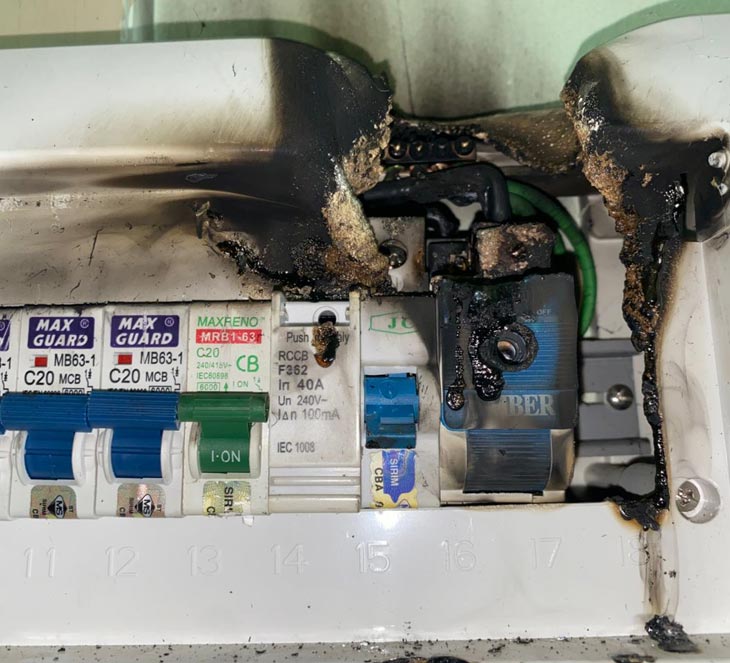
An older DB may have issues such as:
- Loose connections
- Overheating terminals
- Damaged MCBs
- Old or unsuitable protective devices
- Poor cable connections
- Limited spare capacity
- Insufficient space for additional circuits
If a problem is found during inspection, it should be addressed before installing the EV charger. In some cases, a DB box upgrade or modification may be necessary.
EV Charger Wiring for Landed Houses
For landed properties, EV charger installation is often relatively straightforward because the charger can be connected to a dedicated circuit from the house DB. However, the cable route still needs to be planned carefully.
The cable may need to run through the ceiling, along external walls, through a car porch or underground conduit depending on the property. The installation should keep the cable protected from physical damage and avoid unnecessary bends or exposed sections. The final cable route also depends on where the EV charger is positioned and where the vehicle is normally parked.
EV Charger Installation for New or Existing Homes
EV charger installation can be carried out for both new and existing homes, provided the electrical system is suitable for the proposed charger. For a new home, the EV charger circuit can be considered during the electrical installation stage. This can make it easier to plan the cable route, DB space and electrical protection.
For an existing home, the current electrical installation needs to be checked before adding the new EV charger circuit. Older houses may have electrical systems that were designed before electric vehicles became common. Additional high-power appliances may also have been installed over the years. A proper inspection can identify whether the existing DB, wiring and electrical supply are suitable for the additional charging load.
EV Charger Installation During Renovation
If you are renovating your house and planning to purchase an electric vehicle, it can be useful to consider the EV charger circuit before the renovation work is completed. Planning the installation early may provide more options for routing cables through ceilings, walls or other suitable areas.
It can also help avoid unnecessary exposed wiring after the renovation has been completed. If the EV charger location is already known, the cable route can be planned based on the position of the DB, car porch and parking area.
EV Charger Installation for High-Power Chargers
Not all EV chargers have the same power requirements. A higher-power charger can require a higher operating current and may place a greater load on the property’s electrical supply. The electrical installation therefore needs to be assessed based on the actual charger specifications. Before installation, we can check the proposed charger rating and consider the cable size, circuit protection, cable length and available electrical capacity. The charger should not simply be installed based on its physical size or brand. The electrical requirements need to be considered as part of the complete installation.
Why Proper Installation Matters
An EV charger may be used regularly for many hours at a time. The electrical installation therefore needs to be designed around its actual operating load.
A poor installation can result in problems such as:
- Overheating cables
- Voltage drop
- Frequent tripping
- Overloaded circuits
- Hot terminals
- Loose connections
- Premature component failure
These problems may not always be obvious when the charger is first installed. Proper cable sizing, suitable circuit protection, good connections and an appropriate cable route can help provide a more reliable charging installation.
Electrical Testing After Installation
After the EV charger circuit has been installed, the electrical installation should be checked and tested as appropriate. Testing helps identify problems with the new circuit and its connections before the charger is placed into regular use.
Depending on the installation, testing may include checking the circuit, protective devices, voltage and other relevant electrical characteristics. If any abnormal condition is identified, it should be investigated before the charger is used regularly.
We Can Handle the Electrical Work
At Tronica Engineering, Alex provides electrical services for EV charger installations in KL and Selangor.
Our work can include:
- EV charger wiring
- Dedicated circuit installation
- Cable sizing
- Load assessment
- DB box inspection
- MCB and RCCB installation or replacement
- Isolator installation
- Cable routing
- Electrical testing
- Troubleshooting
- DB box upgrades
- Electrical rewiring where required
If the existing electrical installation is not suitable for the proposed EV charger, we can identify the electrical work that may need to be carried out before installation.
EV Charger Installation in KL & Selangor
We provide EV charger electrical installation and related electrical services throughout the Klang Valley, including Puchong, Subang Jaya, USJ, Bandar Kinrara, Putra Heights, Sunway, Petaling Jaya, Kota Damansara, Damansara, Kelana Jaya, TTDI, Mont Kiara, Desa ParkCity, Bukit Jalil, Sri Petaling, Kuchai Lama, Cheras, Wangsa Maju, Ampang, Bangi, Kajang, Seri Kembangan, Cyberjaya, Putrajaya, Shah Alam, Setia Alam, Klang, Semenyih, Kepong, Taman Melawati, Balakong and Kuala Lumpur City Centre.
If your area is not listed, contact Alex at Tronica Engineering and we can check whether we provide service in your location.
Book Your EV Charger Installation
Planning to install an EV charger at home? Don’t simply connect the charger to an existing power circuit without checking whether the electrical system is suitable.
Call Alex at Tronica Engineering on 012-870 2699 to arrange an EV charger installation, electrical inspection or wiring assessment. We can check your existing electrical system, assess the proposed charging load and determine the wiring and protection required for your EV charger. Correct cable sizing. Dedicated circuit. Proper protection. Reliable EV charging.
Professional electrical services
We provide electrical repair, wiring and troubleshooting for homes, offices and shops across KL and Selangor. We repair water heater switches, aircond switches, lights, power sockets, faulty wiring, DB boxes and other electrical problems.
Electrical/ Power Trip Repair
Diagnose and repair electrical faults including Main Switch/ RCCB/ MCB tripping, power interruptions, short circuits, overloaded circuits, overheating and faulty wiring.
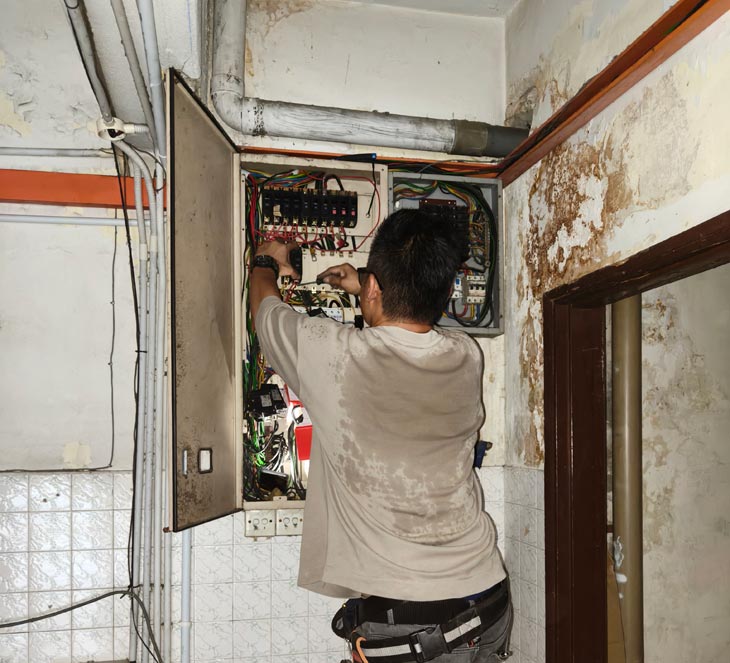
Electrical Troubleshooting & Safety Inspection
Professional fault diagnosis and safety inspection for short circuits, power failures, overloaded circuits, faulty wiring and electrical components. We use professional testing equipment to identify the faults and electrical problems you are experiencing.
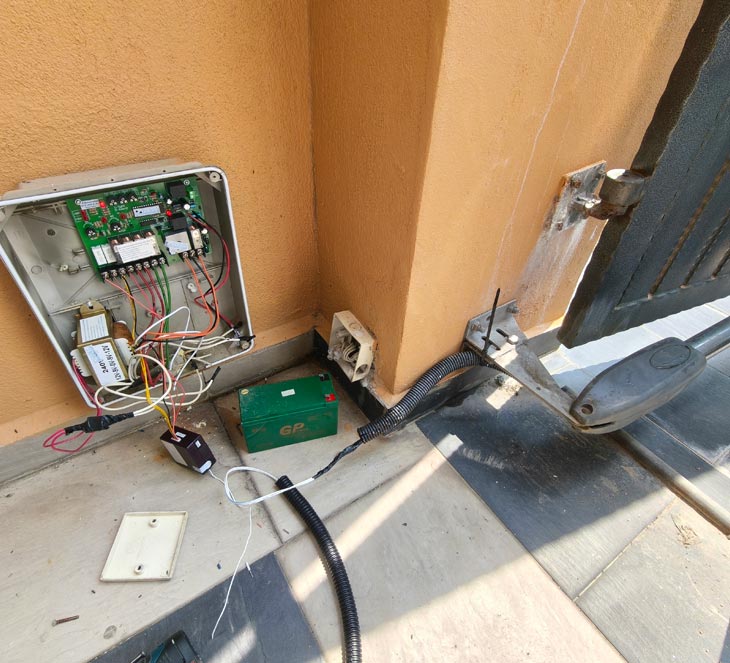
Autogate Repair & Wiring
Professional autogate repair and wiring services for all types of autogate systems. We carry a wide range of autogate spare parts in our service vehicles that allows us to provide fast and convenient autogate repair.
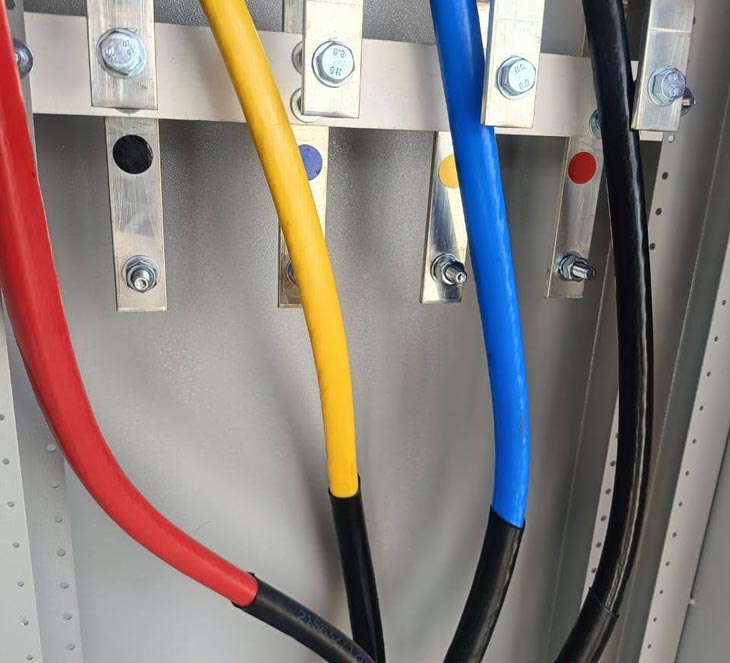
House Wiring & Rewiring
Professional electrical wiring and rewiring services including lighting circuits, power points, air conditioning, autogate, water heater wiring and dedicated circuits for high-power appliances.
DB Box Upgrade & Replacement
Upgrade old boards with modern MCBs, RCCBs and SPDs, with proper busbar termination and cable links.
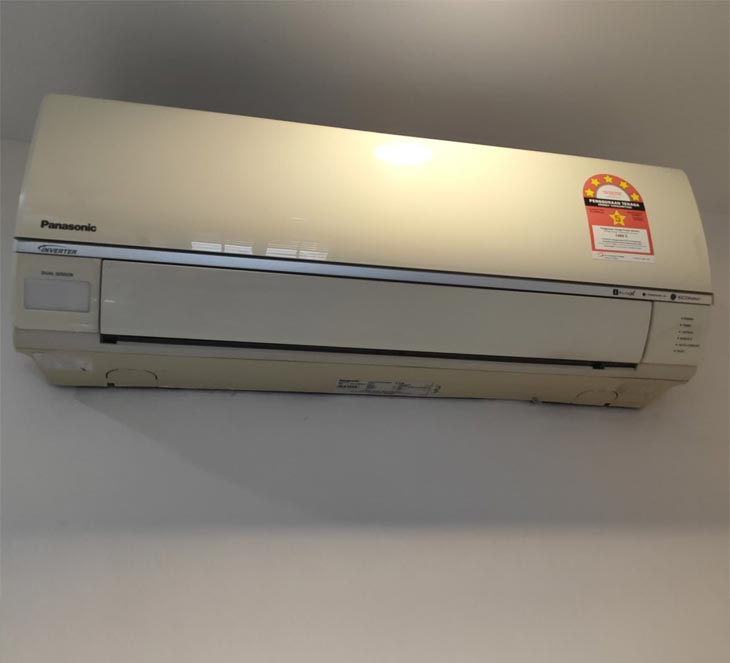
Aircond Wiring & Switch Repair
Repair aircond switches that keep tripping, become hot, smell burnt or stop working. We check the switch, wiring, connections and circuit protection to find the actual cause of the problem.
Water Heater Wiring & Switch Replacement
Check and repair water heater wiring, switches, terminals and electrical connections. We make sure the wiring and circuit protection are suitable for the heater and investigate any signs of overheating or repeated tripping.
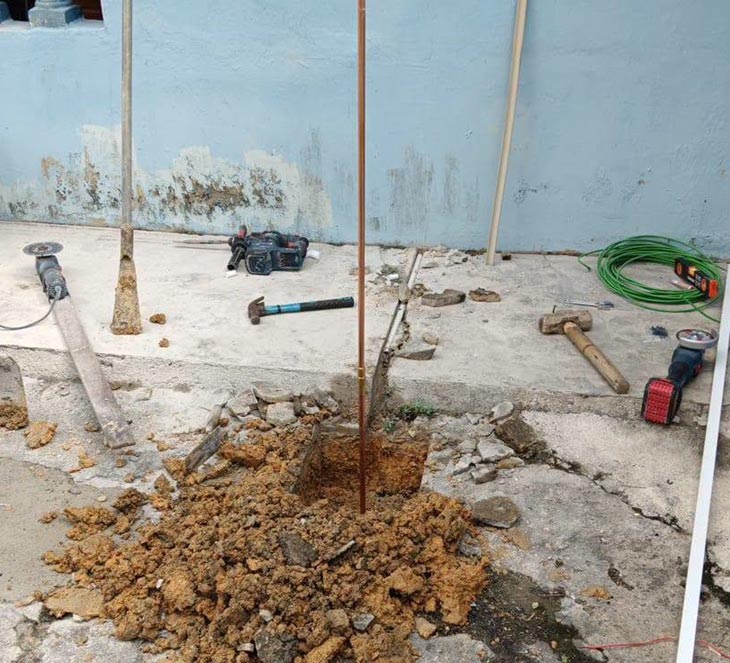
Earthing System Testing, Repair & Installation
Professional earthing installation and testing to help protect your home and electrical equipment. Earth resistance is properly tested using professional testing equipment.
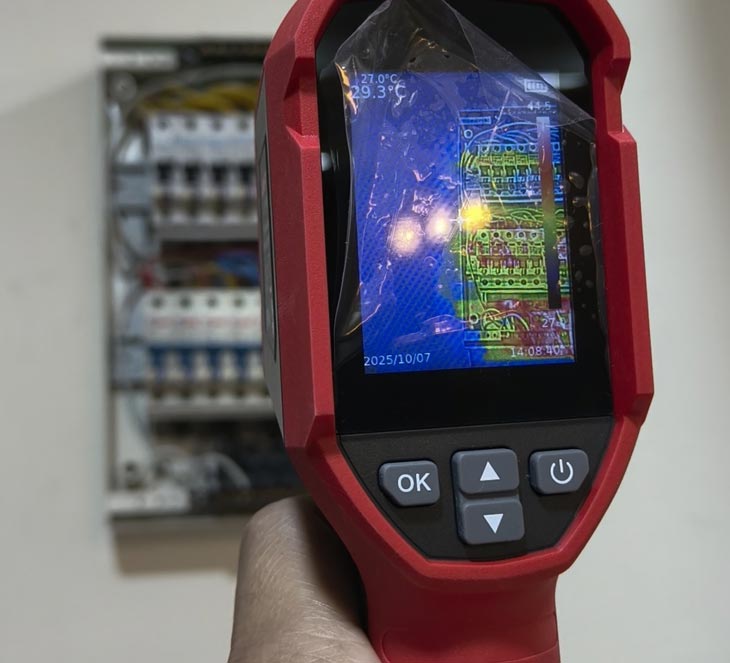
Thermographic Inspection
Infrared thermal imaging to spot overheating components, loose connections and excess loading.
Insulation Resistance (Megger) Testing
We use professional insulation resistance testers (Megohmmeters) to apply high DC test voltage and measure cable insulation quality. This helps detect insulation breakdown, current leakage, aging cables and potential short circuit risks before they become major electrical faults.
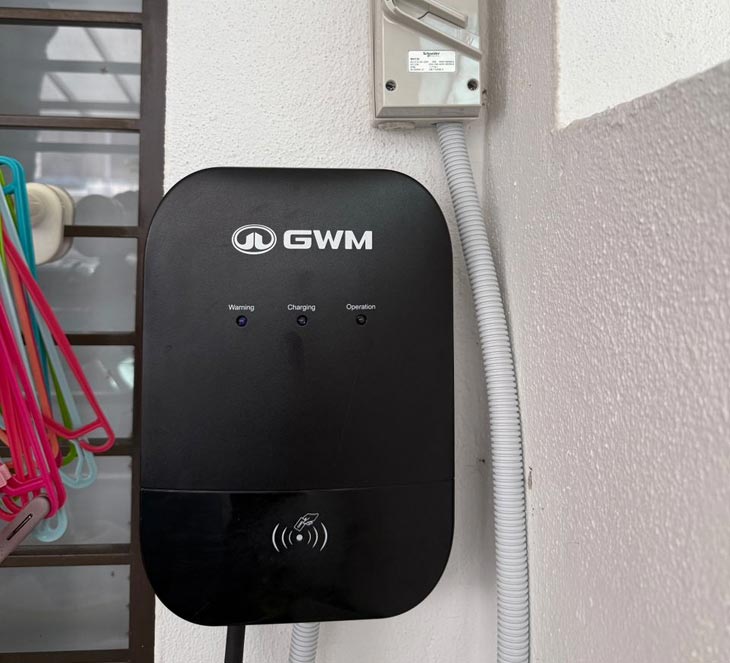
EV Charger Installation
Professional EV charger installation with correct cable sizing, dedicated circuits, load assessment and safety protection for reliable charging.
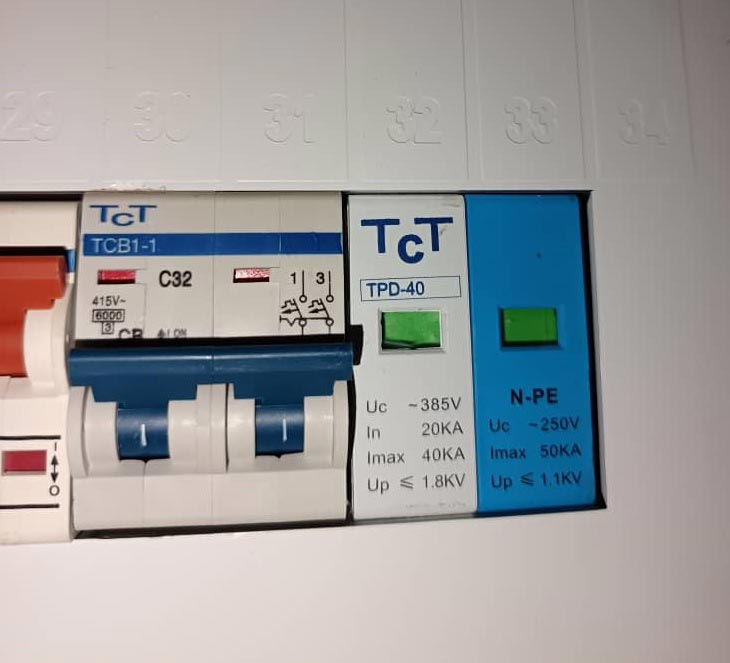
Surge Protection Device (SPD)
Protect your DB, electrical equipment and autogate from voltage surges, power spikes and electrical disturbances.
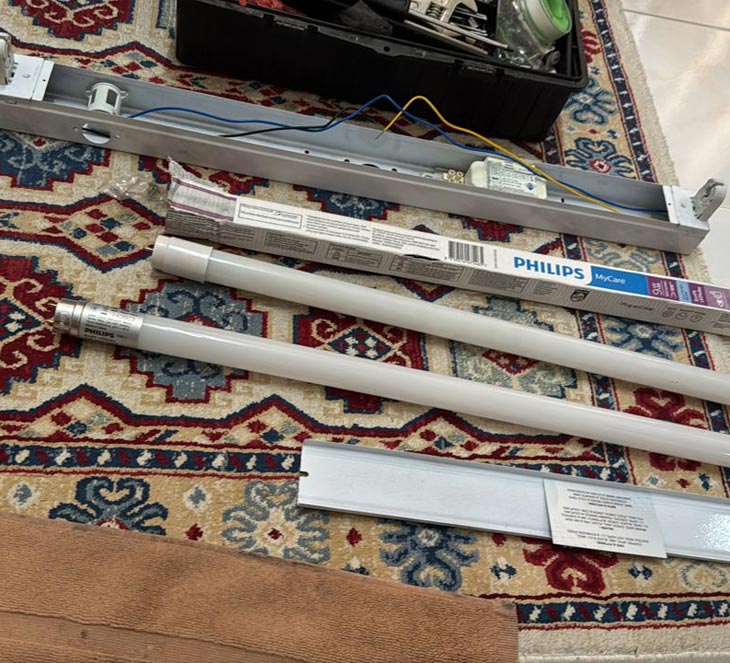
Light Installation & Repair
We install, repair and replace lights for homes and offices, including faulty, flickering, dim or non-working lights. We also troubleshoot wiring and switch problems to get your lights working properly.
Ceiling Fan Installation & Repair
We install, replace and repair ceiling fans, including faulty switches, wobbling fans, unusual noise and other common ceiling fan problems.
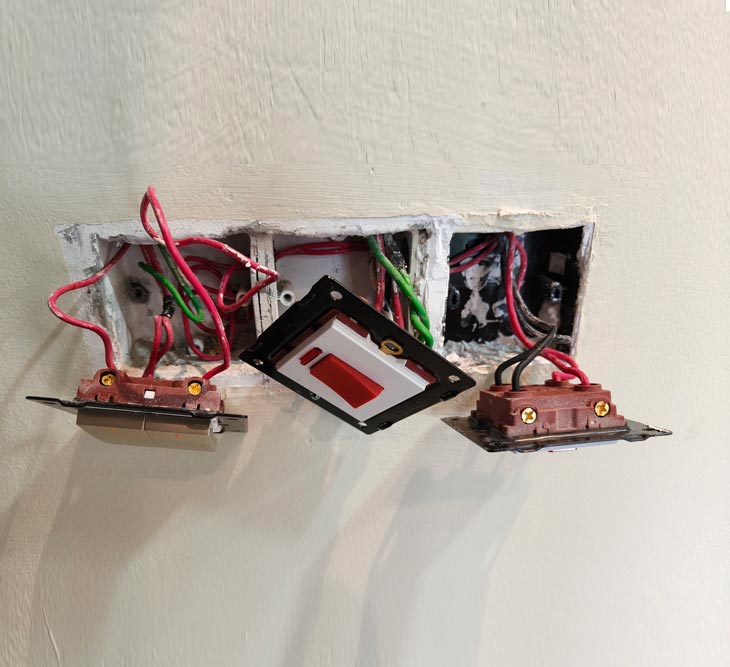
Power Socket & Switch Repair
Installation, replacement and repair of faulty, burnt, loose or damaged power sockets and switches for homes, offices and shops.