Ceiling Fan Installation & Switch Repair in KL & Selangor

A ceiling fan can last for many years when it is properly installed and maintained. Some ceiling fans in older homes have been working for 10, 20 or even 30 years. But after years of use, you may start to notice that the fan is becoming wobbly, noisy, slow or difficult to control. Sometimes the problem is not the fan motor itself. Loose mounting, worn bearings, damaged blades, an unbalanced fan or a problem with the electrical connection can all cause the fan to behave differently from when it was new. At the same time, the wall fan switch or fan regulator may also become faulty after years of daily use. Tronica Engineering provides ceiling fan installation, replacement, wiring and fan switch repair services in KL, Selangor and the Klang Valley.

Old Ceiling Fan Wobbling or Making Loud Noise

One of the most common problems with an older ceiling fan is excessive movement. A fan that has been running normally for many years may gradually start to wobble when it spins. You may notice the blades moving from side to side, the fan body shaking, or the whole fan appearing unstable. Some homeowners simply continue using the fan because it is still spinning and producing air. However, a fan that has developed excessive movement should be checked rather than ignored.

There are several possible reasons for a wobbling ceiling fan. The blades may no longer be properly balanced, screws or mounting components may have become loose, the ceiling bracket may not be secure, or the fan may have developed mechanical wear after years of operation. A damaged or uneven blade can also cause vibration. If the fan is mounted to a weak or unsuitable ceiling structure, the movement can become more noticeable. For an older fan, the problem may involve more than one component, so checking the installation and condition of the fan is important before deciding whether to repair or replace it.

Ceiling Fan Making Loud Noise

A ceiling fan that suddenly becomes noisy can be annoying, especially in bedrooms and living rooms where the fan is running for several hours every day. Older fans may produce humming, rattling, clicking, grinding or vibrating sounds. Different noises can point to different problems.

A rattling sound may come from loose screws, covers or other components. A fan that produces a noticeable vibration may have a blade balance or mounting problem. A grinding or rough sound can be associated with mechanical wear such as bearings. Electrical problems can also cause unusual sounds in some circumstances. The age and condition of the fan should therefore be considered together with the type of noise.

If your ceiling fan has been working for 10 or 20 years and has only recently started making loud noise, there is no need to assume immediately that the entire fan must be replaced. We can inspect the fan and installation first and determine whether the problem is something that can be repaired or whether replacement makes more sense.

Ceiling Fan Repair or Replacement?

An old ceiling fan does not automatically need to be replaced just because it is noisy or wobbly. The right solution depends on the condition of the fan, the cause of the problem, the availability of replacement parts and the overall condition of the installation.

For example, if the fan is generally in good condition but has a loose component or an installation problem, repair may be possible. If the fan has significant mechanical wear and several parts are already deteriorating, replacing the fan may be more practical. For a very old fan, there may also be a point where continuing to repair one component after another is no longer worthwhile. We can inspect the fan, explain what we find and let the customer decide whether to repair or replace it.

Ceiling Fan Installation

Installing a ceiling fan is not simply a matter of fixing the fan to the ceiling and connecting the wires. The mounting point needs to be suitable for the fan and the electrical connection must be properly arranged. A ceiling fan creates movement and vibration during operation, so the mounting support needs to be secure. Before installing a new fan, we can check the existing electrical point, switch wiring and mounting arrangement. If the existing ceiling point is unsuitable or the wiring requires attention, this can be addressed before installing the new fan.

This is particularly important when replacing an old ceiling fan. The existing fan may have been installed many years ago, and the electrical wiring, switch, regulator or mounting arrangement may also be old. Installing a new fan without checking these components may leave an existing problem unresolved.

Replacing an Old Ceiling Fan

Many homeowners replace their ceiling fan because the old one has become noisy, wobbly or unreliable. A new fan can also be installed when renovating a room, moving into a new property or adding an additional fan point.

When replacing an existing fan, we can remove the old unit and install the new ceiling fan at the existing location, subject to the condition and suitability of the electrical point and mounting support. We can also check the wall switch and regulator at the same time.

If the old fan was working for many years, it is useful to understand why it has developed a problem before installing the replacement. For example, if excessive vibration was caused by an unsuitable mounting arrangement rather than the fan itself, simply installing another fan may not solve the underlying issue.

Ceiling Fan Switch Not Working

Another common problem is a ceiling fan that cannot be controlled properly from the wall switch. You may turn on the switch and the fan does not operate or the switch may feel loose, damaged or different from normal. In some cases, the fan works intermittently or only operates after the switch is pressed or adjusted several times.

A faulty switch can occur after years of daily use. The internal contacts can wear out, connections can become loose, or the switch mechanism itself can become damaged. Sometimes the problem is not the switch but the wiring or another part of the fan circuit. If the fan is not working, replacing the switch immediately may not always be the correct solution. The electrical supply and wiring should be checked to determine where the problem is.

Ceiling Fan Regulator Problems

Some ceiling fans use a wall-mounted regulator or controller to adjust the fan speed. After years of use, the regulator may become faulty. The fan may only operate at certain speeds, may not respond properly when the regulator is adjusted, or may stop working completely.

A faulty regulator can sometimes be mistaken for a faulty ceiling fan motor. If the fan was working normally before the problem appeared, checking the regulator and wiring can help determine whether the fault is actually inside the fan.

We can inspect the fan switch, regulator and electrical connection to identify the problem before recommending replacement.

Switch Is Not Working

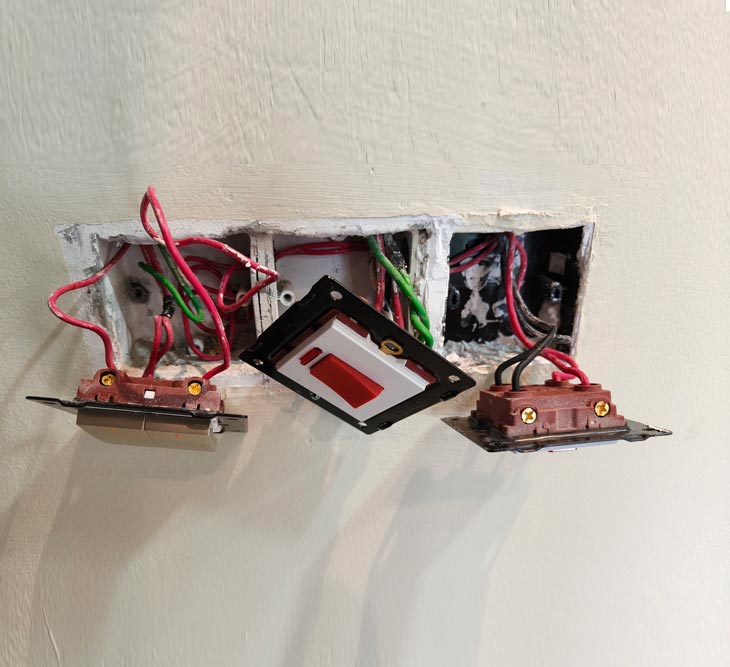
Not all switch problems are related to ceiling fans. Light switches, wall switches and other electrical switches can also stop working after years of use. You may find that the switch no longer turns the light on, feels loose, becomes difficult to press or operates intermittently. A switch that does not work should not simply be left disconnected or bypassed. The wiring behind the switch should be checked, particularly if there are signs of overheating, burning, melting or loose connections.

If a switch has become damaged or worn out, we can replace it with a suitable new switch and check the connection at the same time.

Switch Feels Hot, Burnt or Melted

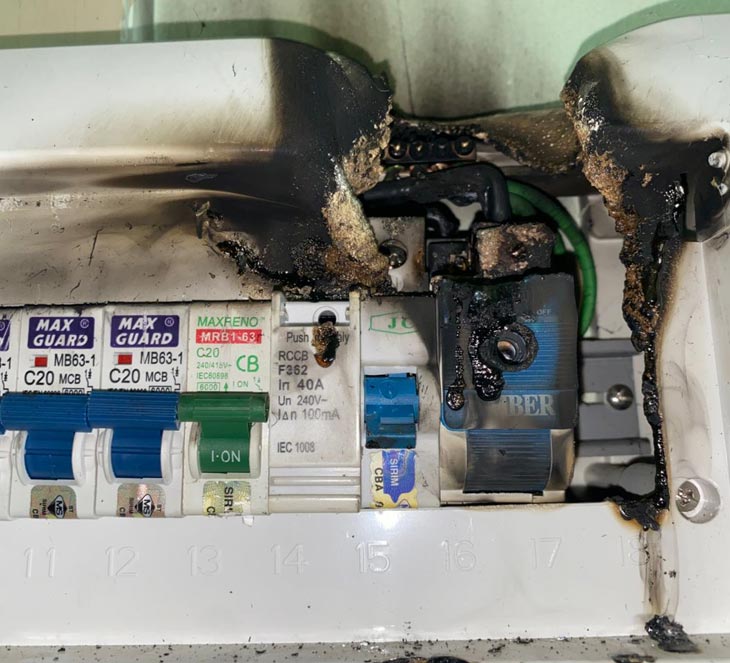
A switch that feels unusually hot should not be treated as a normal condition. Heat can be associated with a loose connection, damaged wiring, an overloaded circuit or a faulty component. Burn marks, melting, a burning smell or discolouration around the switch are also signs that the circuit should be checked.

Turn off the affected circuit if it is safe to do so and arrange for the electrical problem to be inspected. Continuing to use a damaged switch may make the problem worse. During an inspection, we can check the switch, wiring and connections to identify the possible cause and carry out the necessary repair or replacement.

Ceiling Fan Wiring

Ceiling fan problems are not always caused by the fan itself. The electrical supply, switch, regulator and wiring are all part of the system. If a new fan has been installed but the electrical point has an existing problem, the fan may not operate correctly.

When installing or repairing a ceiling fan, we can check the electrical connection at the fan point and wall switch. If the wiring is damaged, loose or unsuitable, further work may be required before the fan can be used safely.

For older houses, the wiring may also have been installed many years ago. If you are replacing several old ceiling fans or carrying out renovation work, it may be worthwhile checking the condition of the electrical points at the same time.

Ceiling Fan Problems We Handle

We can help with common ceiling fan and switch problems, including:

  • Ceiling fan installation
  • Ceiling fan replacement
  • Old ceiling fan repair
  • Wobbly ceiling fan
  • Noisy ceiling fan
  • Fan vibration
  • Fan running slowly
  • Fan not turning on
  • Fan switch not working
  • Faulty fan regulator
  • Fan speed problems
  • Loose switch
  • Damaged switch
  • Burnt or melted switch
  • Ceiling fan wiring
  • Electrical point problems
  • Troubleshooting existing ceiling fans

Ceiling Fan Installation and Switch Repair in KL & Selangor

Tronica Engineering provides ceiling fan installation, replacement, wiring and switch repair for homes, apartments, condominiums, offices and other properties in KL, Selangor and the Klang Valley.

If your ceiling fan has been working for 10 or 20 years and is now wobbling or making loud noise, we can inspect it and determine what is causing the problem. The fan may need adjustment, repair or replacement depending on its condition. If the fan itself is fine but the wall switch or regulator has failed, we can troubleshoot the electrical side and replace the faulty component where required.

For a new ceiling fan installation, we can also check the existing electrical point and switch before installing the new fan. This helps identify old or damaged wiring and other problems that may affect the new installation. We believe in checking the actual problem first instead of automatically replacing everything. Once the fault is identified, we explain the necessary work so you know what needs to be repaired or replaced.

Ceiling fan wobbling? Making loud noise? Switch not working? Call Alex 012-870 2699 now!

Professional electrical services

We provide electrical repair, wiring and troubleshooting for homes, offices and shops across KL and Selangor. We repair water heater switches, aircond switches, lights, power sockets, faulty wiring, DB boxes and other electrical problems.

Electrical/ Power Trip Repair

Diagnose and repair electrical faults including Main Switch/ RCCB/ MCB tripping, power interruptions, short circuits, overloaded circuits, overheating and faulty wiring.
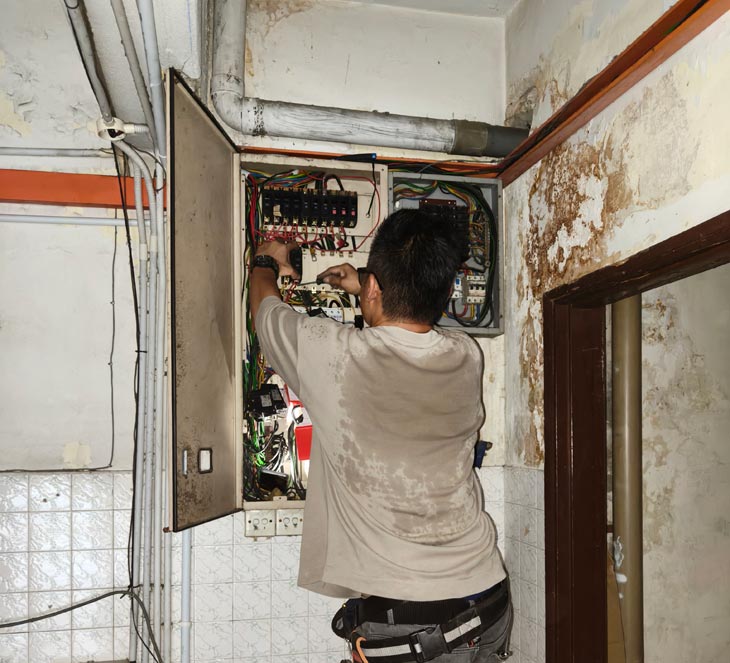
Electrical Troubleshooting & Safety Inspection

Professional fault diagnosis and safety inspection for short circuits, power failures, overloaded circuits, faulty wiring and electrical components. We use professional testing equipment to identify the faults and electrical problems you are experiencing.
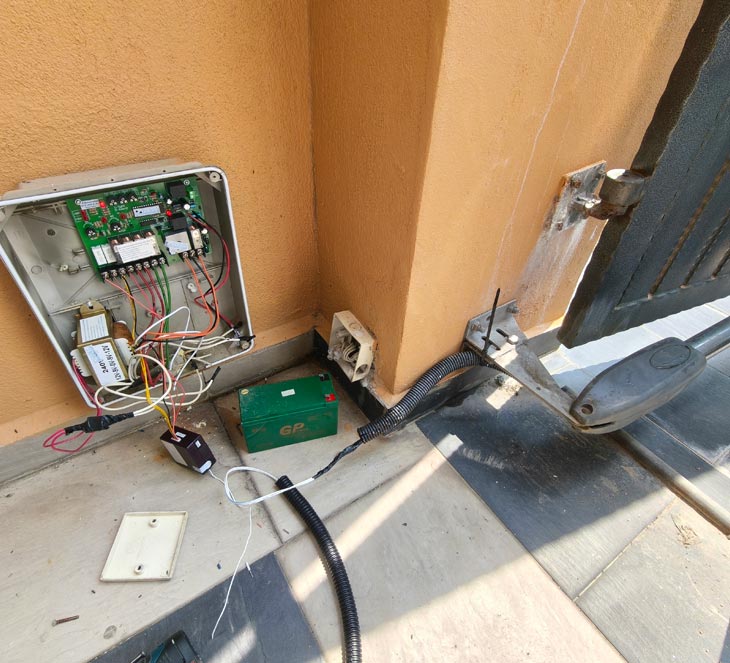
Autogate Repair & Wiring

Professional autogate repair and wiring services for all types of autogate systems. We carry a wide range of autogate spare parts in our service vehicles that allows us to provide fast and convenient autogate repair.
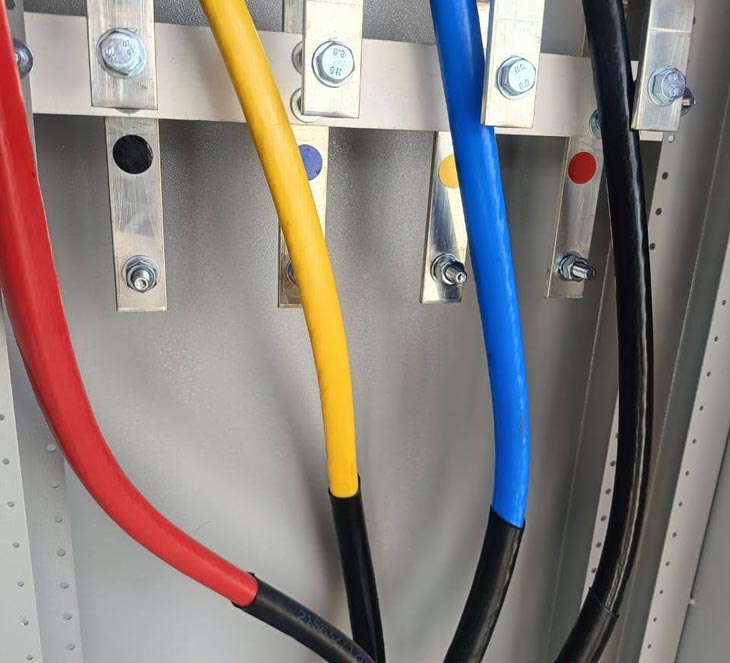
House Wiring & Rewiring

Professional electrical wiring and rewiring services including lighting circuits, power points, air conditioning, autogate, water heater wiring and dedicated circuits for high-power appliances.

DB Box Upgrade & Replacement

Upgrade old boards with modern MCBs, RCCBs and SPDs, with proper busbar termination and cable links.
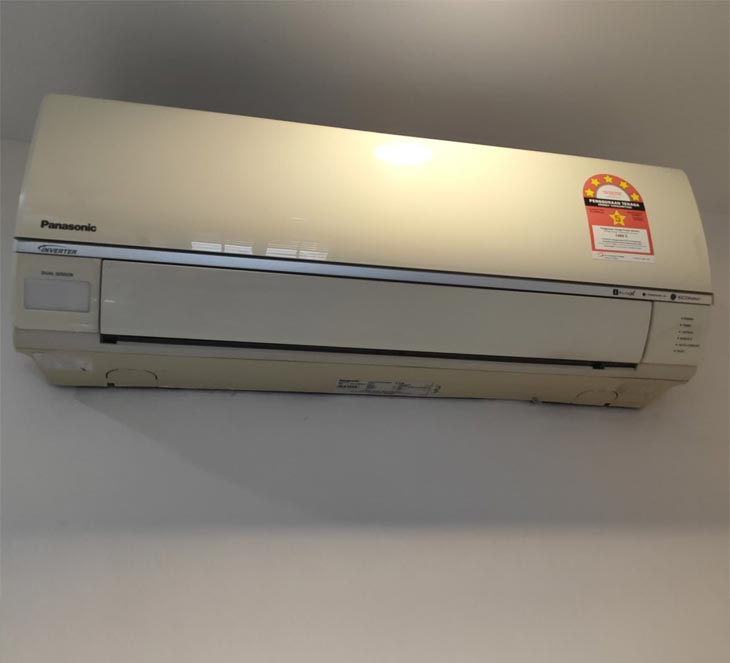
Aircond Wiring & Switch Repair

Repair aircond switches that keep tripping, become hot, smell burnt or stop working. We check the switch, wiring, connections and circuit protection to find the actual cause of the problem.

Water Heater Wiring & Switch Replacement

Check and repair water heater wiring, switches, terminals and electrical connections. We make sure the wiring and circuit protection are suitable for the heater and investigate any signs of overheating or repeated tripping.
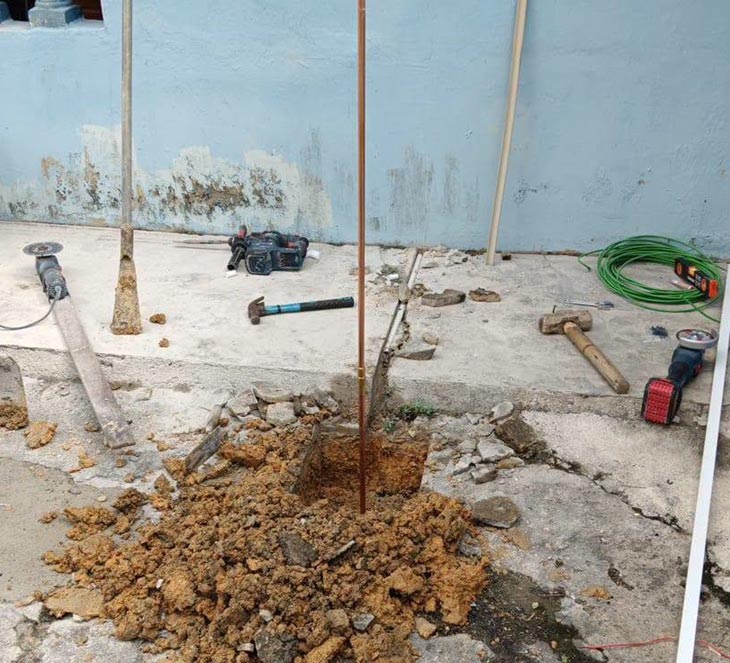
Earthing System Testing, Repair & Installation

Professional earthing installation and testing to help protect your home and electrical equipment. Earth resistance is properly tested using professional testing equipment.
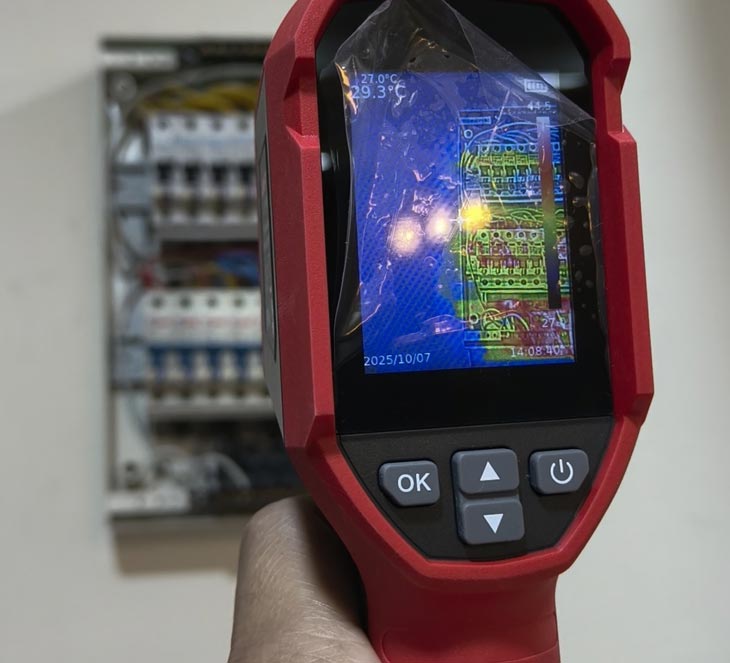
Thermographic Inspection

Infrared thermal imaging to spot overheating components, loose connections and excess loading.

Insulation Resistance (Megger) Testing

We use professional insulation resistance testers (Megohmmeters) to apply high DC test voltage and measure cable insulation quality. This helps detect insulation breakdown, current leakage, aging cables and potential short circuit risks before they become major electrical faults.
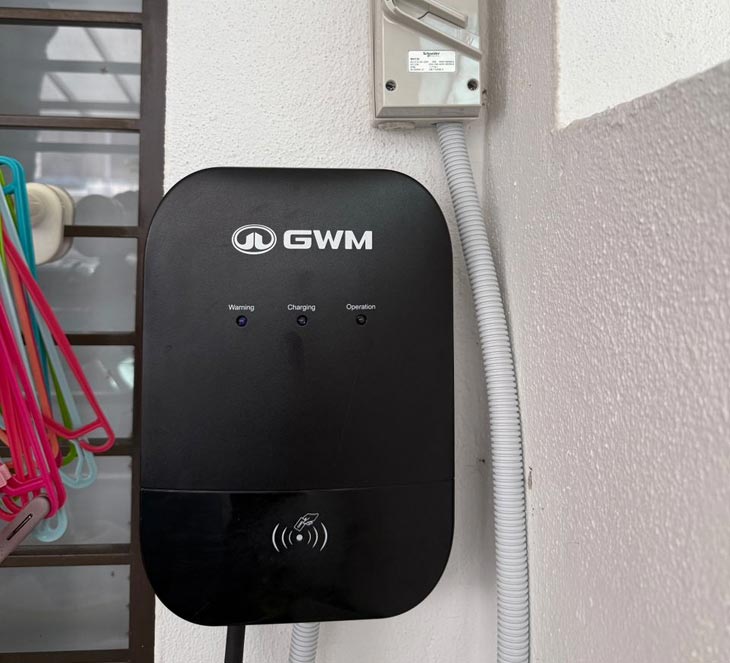
EV Charger Installation

Professional EV charger installation with correct cable sizing, dedicated circuits, load assessment and safety protection for reliable charging.
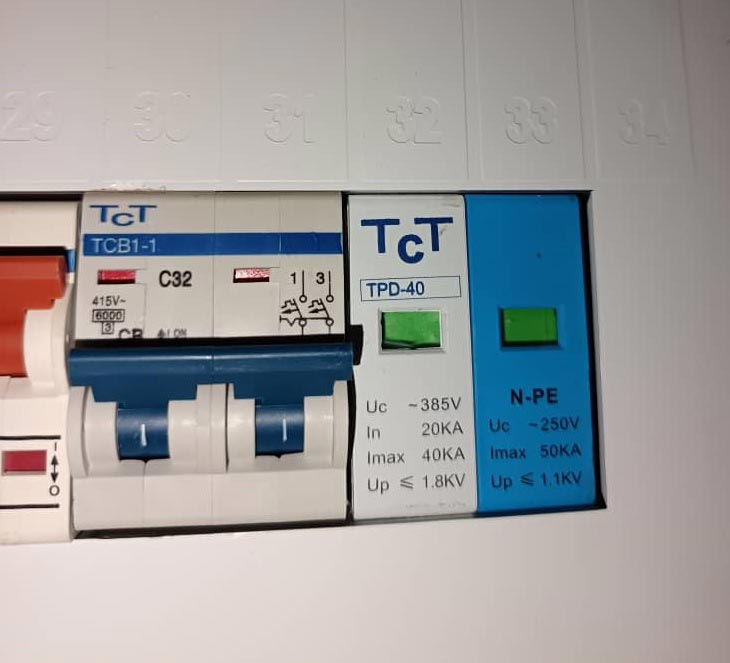
Surge Protection Device (SPD)

Protect your DB, electrical equipment and autogate from voltage surges, power spikes and electrical disturbances.
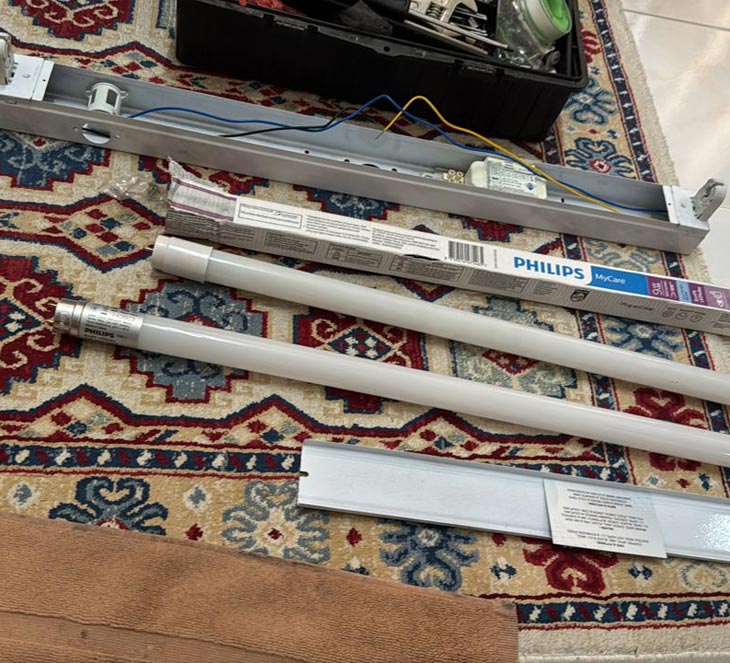
Light Installation & Repair

We install, repair and replace lights for homes and offices, including faulty, flickering, dim or non-working lights. We also troubleshoot wiring and switch problems to get your lights working properly.

Ceiling Fan Installation & Repair

We install, replace and repair ceiling fans, including faulty switches, wobbling fans, unusual noise and other common ceiling fan problems.
Power Socket & Switch Repair

Installation, replacement and repair of faulty, burnt, loose or damaged power sockets and switches for homes, offices and shops.